TL;DR
Older Aldershot and Ash properties block more often than newer housing because much of the local drainage dates back to the town's Victorian and Edwardian garrison-era growth, when clay pipe was jointed in short sections rather than laid as a single sealed run. Decades of ground movement across the area's mixed London Clay and Bagshot Sand geology have opened up those joints, letting in roots, silt and groundwater. If you're dealing with a blockage in an older property and want to know whether it's a quick clear or something structural, request a fast, fixed-price quote online and we'll get an engineer out to assess it properly.
Why Aldershot's drainage history matters
Aldershot has been known as the Home of the British Army since the mid-1800s, and the housing that grew up around the garrison — terraces and villas in North Town and the streets closest to the old military estate — was largely built and drained during the Victorian and Edwardian periods. That drainage infrastructure was engineered to the standards of its day, using vitrified clay pipe jointed every metre or so with mortar or bitumen seals. It was solid work for its time, but it was never built to modern standards of watertight, jointless plastic pipe, and a lot of it is still down there doing the job well over a century later.
Ash and its surrounding villages tell a similar story on a smaller scale — older cores around Ash Green and the village centre carry period drainage, while newer development along the A331 corridor sits on modern systems. The result across both towns is a genuinely mixed drainage age profile: a street of Victorian terraces can share a road with a 1990s in-fill development running on entirely different, newer pipework.
The geology makes it worse
Underneath both towns, the ground itself doesn't help. Aldershot and Ash sit across a transitional band of London Clay and Bagshot Sand — heavier clay in places, sandier and more free-draining in others, often changing within a short distance. Clay-heavy ground shrinks and swells with the seasons, moving and stressing anything buried in it, including century-old pipe joints. Where the local water table sits higher, particularly for properties near the Basingstoke Canal or Tice's Meadow, ground conditions stay wetter for longer, which accelerates the deterioration of ageing joints and increases the pull that draws tree roots toward a leaking pipe. None of this is unique to any one street — it's a genuine characteristic of the ground this whole area is built on.
How ageing joints and roots cause repeat blockages
Once a joint in an old clay run starts to fail, the problems tend to compound rather than stay static:
- **A small crack lets in groundwater and fine silt**, which settles inside the pipe and gradually narrows the bore.
- **The same crack draws in roots** from any nearby tree or shrub, since roots follow moisture, and mature street trees are common throughout Aldershot and Ash's older residential roads.
- **Root mass and silt together catch fat, wipes and general debris**, which is usually what actually stops the flow and prompts the call-out.
- **The joint keeps failing further** each time the ground shifts seasonally, so a blockage cleared today can return within months at the same spot.
This is why an older property blocking "for no reason" every few months is rarely actually random — there's almost always a structural cause sitting behind the recurring symptom.
What to do first, and when it needs a proper look
If you get a blockage in an older Aldershot or Ash property:
- **Check whether it's isolated to one fixture** (a single sink or toilet) or affecting the whole house — a single fixture points to a local blockage, while multiple fixtures backing up together usually means the problem is further down the shared run.
- **Avoid repeatedly using chemical drain cleaners** on a recurring blockage — they don't address a structural cause and can make an eventual survey or repair harder.
- **Note the pattern** — same spot, same time of year, worse after heavy rain — this detail is genuinely useful when an engineer comes to diagnose it.
- **Get it looked at once it's recurred more than once.** A single one-off blockage can just be a one-off. A repeat is worth investigating properly rather than clearing again and again.
For the whole-house backing-up scenario, it's also worth knowing where your responsibility ends: private drainage inside your boundary is yours, but once it joins the public sewer it typically becomes the responsibility of the local water authority — Thames Water covers sewerage across much of this area.
Getting an old drain properly assessed
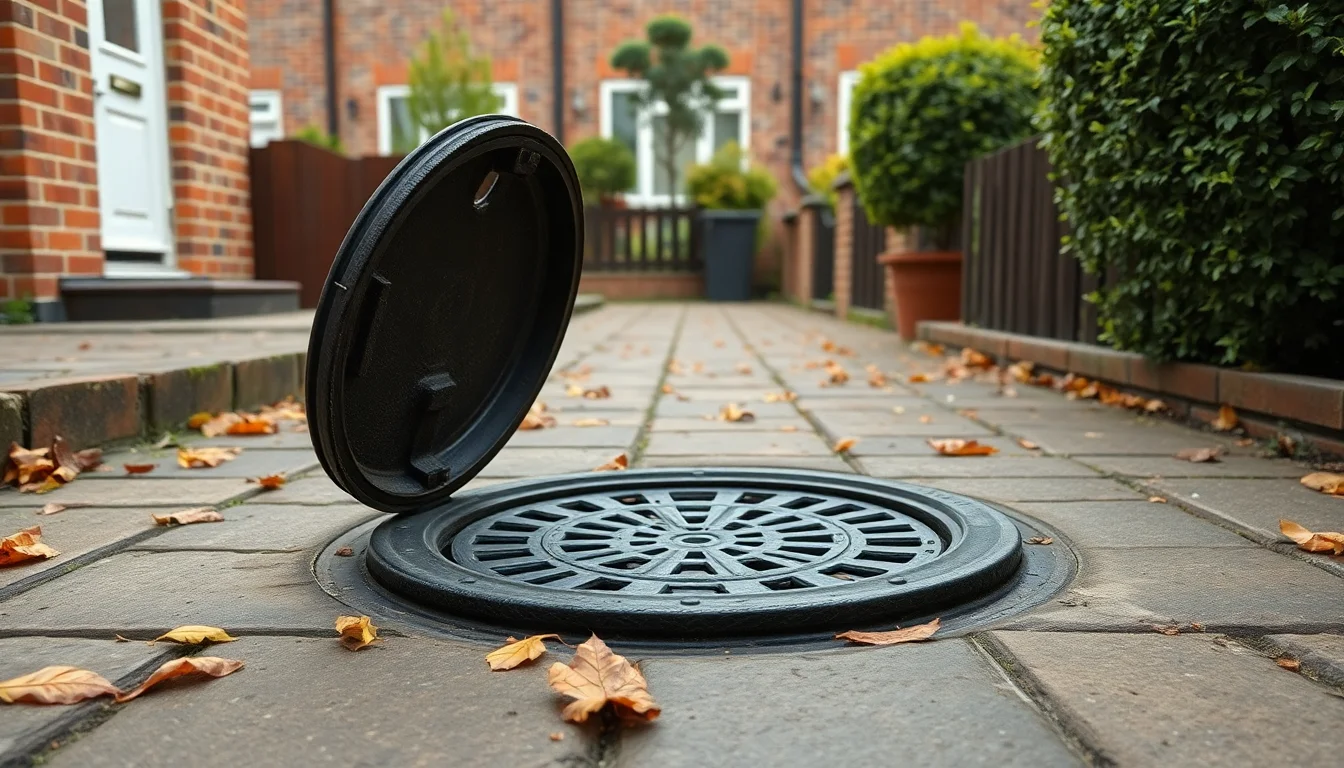
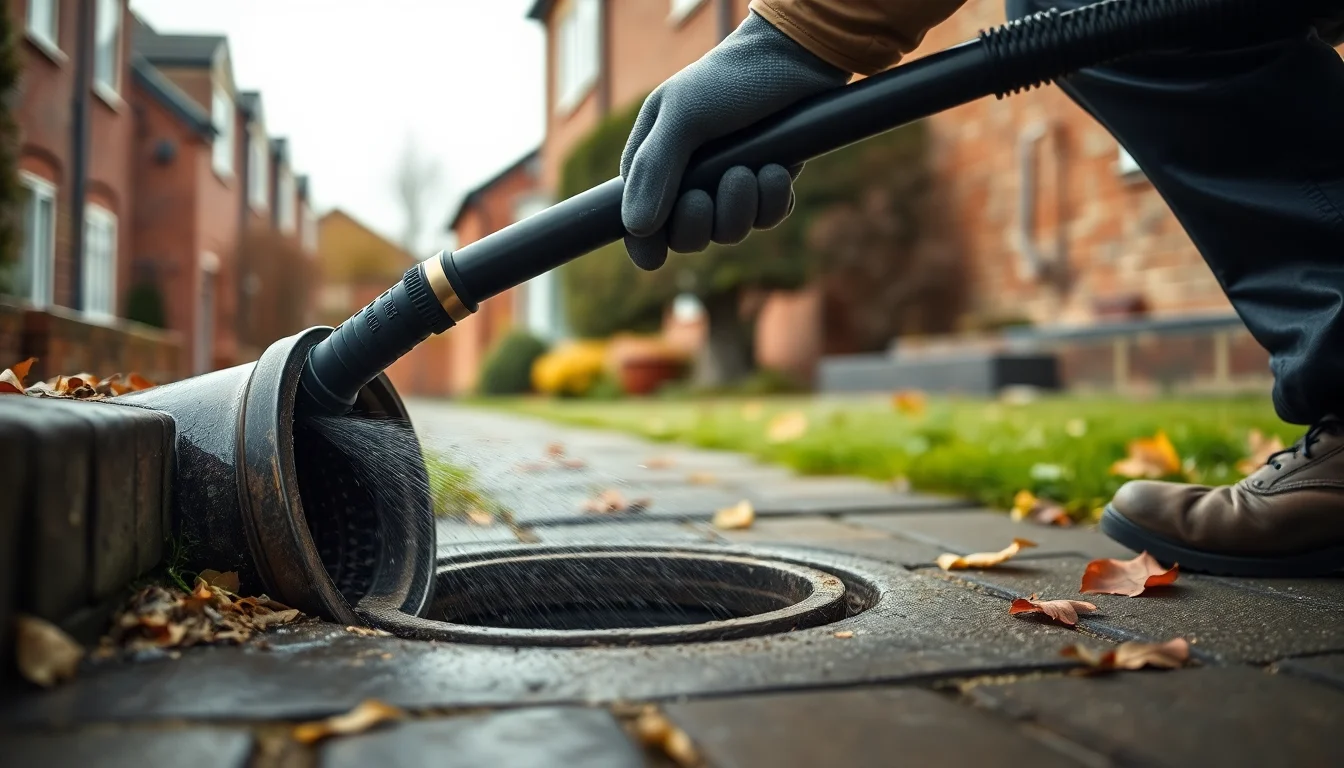
The most reliable way to find out whether you're dealing with a simple clear or a genuine structural problem is a CCTV drain survey, which puts a camera through the run and grades any defects rather than guessing from the symptoms above ground. For general blockage clearance and repair, our blocked drains service covers the full range of work, from a straightforward clear-out through to identifying when a repair is genuinely needed.
Covering Aldershot and Ash
We work across both Aldershot and Ash, and given how common ageing clay pipework is throughout the older parts of both towns, it's a problem we see regularly rather than occasionally. If your drains keep blocking and you're tired of clearing the same spot repeatedly, get it surveyed properly rather than treating the symptom again.
FAQ
**Why do old drains block more often than new ones?** Older drains are typically jointed clay pipe rather than a single sealed plastic run, and those joints degrade over decades, letting in roots, silt and groundwater that cause repeat blockages.
**Is my blockage in my pipe or the main sewer?** Private drainage within your property boundary is your responsibility; once it connects to the public sewer network, that section is generally the water authority's responsibility. A survey can usually confirm exactly where a blockage sits relative to that boundary.
**Does every Victorian property need relining eventually?** Not necessarily — plenty of original clay pipe is still sound. A CCTV survey tells you the actual condition rather than assuming based on the property's age alone.
**Can I prevent recurring blockages in an old property?** Regular jetting can help manage silt and root growth, but if the underlying cause is a failed joint, only a structural repair stops it recurring for good.