
In short
Jetting is a standard way to clear a drain, and it suits a sound pipe. However, a weak, cracked or deformed pipe may not take the same pressure. A camera check before jetting shows which kind of pipe you have, so ask for one if the pipe is old or the fault keeps returning.
When jetting is used
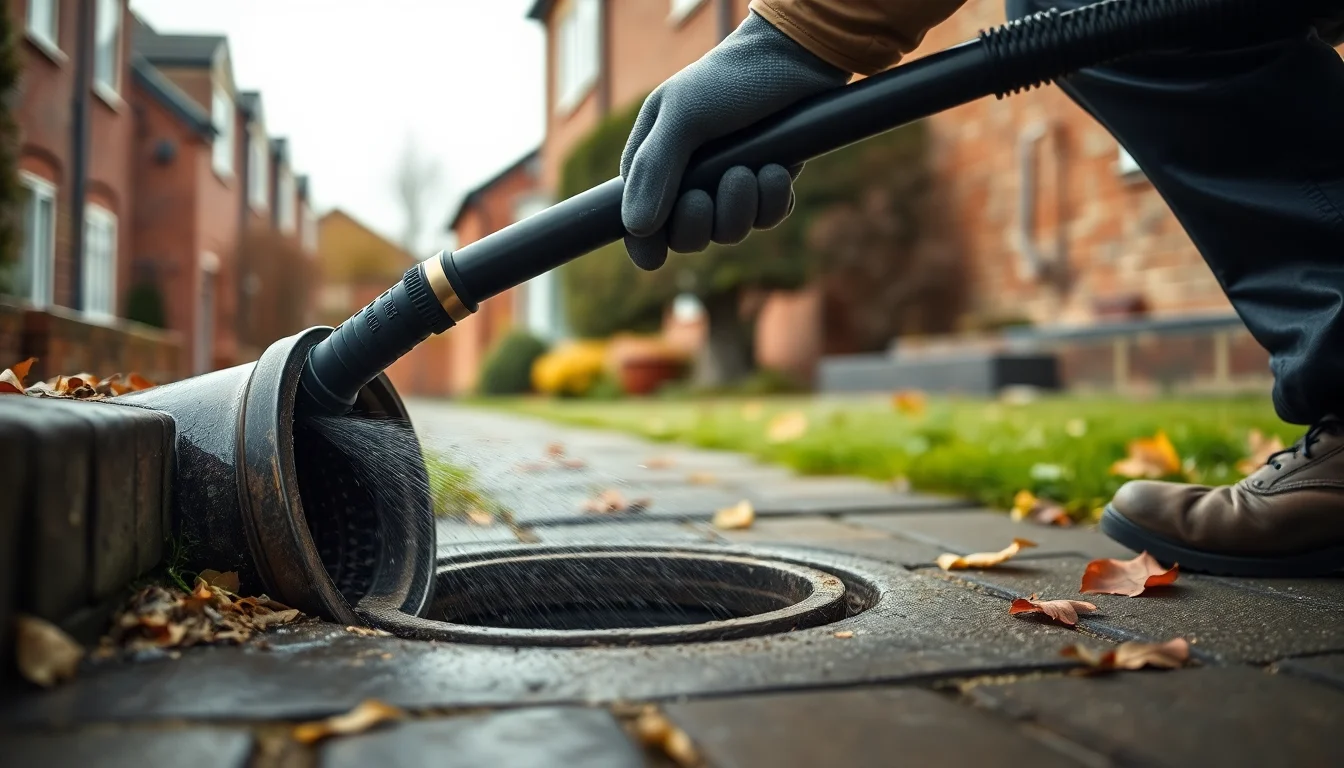
Jetting sends water through a hose at high pressure. It cuts through grease, silt and roots, and it cleans the pipe wall as well. Rods only push or pull a blockage, while jetting washes the pipe.
For a simple comparison, read drain jetting vs drain rods. UK guides give £70 to £175 for jetting (MyJobQuote), £70 to £125 outside London (Fantastic Services) and £120 to £250 (Book A Builder). These are guide figures, not quotes. Specifically, they are UK job totals. Specifically, they are UK job totals.
Why old and pitch-fibre pipes need care
Age alone does not make a pipe unsafe to jet. Condition matters more, because a sound old pipe can take careful jetting. A pipe with cracks, slipped joints or a flattened shape may break further under pressure.
Pitch fibre is a special case, since Metrorod says it is made of wood cellulose fibres soaked in coal tar pitch and was widely used in the UK until the 1970s. It says hot water, fats, oils and grease can soften the bitumen, so the layers separate, and that ground pressure can deform the pipe. As a result, a pipe in that state needs a gentler approach, or a repair.
What a CCTV survey tells you
A survey shows the pipe material, the joints and any cracks, sags or blisters. It also shows where roots enter. The footage lets you and the engineer agree a method before anything is switched on, so nobody has to guess.
If the survey shows a sound pipe, jetting can go ahead. If it shows damage, however, however, the engineer may choose lower pressure, a different tool or a repair. See the service page on a CCTV drain survey.
Jetting or relining
Jetting clears a blockage but does not repair a pipe. If the camera shows a crack or a failed joint, the fault will still return. Pipe relining seals damage from the inside, with no trench. If the pipe has collapsed, digging may be the only choice.
Less.co.uk gives £200 to £600 for a single patch and £1,500 to £4,000 for a full domestic reline. These are UK guide figures, so ask for a written quote.
Questions to ask the engineer
- Have you seen inside the pipe?
- What pressure and nozzle will you use?
- What will you do if the pipe is damaged?
- Will you check the pipe afterwards?
- What guarantee covers the work?
Jetting pages by town
Each town page lists the questions to ask before jetting starts. For example, see drain jetting in Ash. The Ash Vale drain jetting page covers the same questions. Similarly, read about drain jetting in Yateley.
There is also a page on drain jetting in Sandhurst. If a survey finds a damaged pipe, read about drain repairs in Farnham. The Farnham drainage page lists every service for that town.
Asking for help
This site is a request service for drainage work. You send your details through the form, and your request goes to an engineer who can respond. The engineer who takes your job runs a separate business. Since the engineer sets the price, the arrival time and any guarantee, agree all three before work starts.
Say in your request what you know about the pipe. See the page on drain jetting, then send a request online.
Frequently Asked Questions
Can jetting damage old pipes?
It can, if the pipe is already weak or cracked. A camera check shows the condition first.
Should I get a survey before jetting?
For an old pipe, or a fault that keeps returning, yes. For a simple first blockage in a sound pipe, however, you may not need one.
How do I know if my pipes are pitch-fibre?
A survey shows the pipe material. Ask for the footage and the report.
What if the pipe has gone oval or deformed?
Jetting may not suit it, because the pipe may not hold its shape. A liner or a dig may be the better route, so ask for a quote for each.
Is relining better than jetting for old pipes?
They do different jobs. Jetting clears, while relining repairs. Many drains need a clear first and then a repair.