TL;DR
Pipe relining repairs a damaged drain from the inside by curing a resin liner in place along the existing pipe, creating a new jointless surface without digging up the garden, driveway or floor above it. It's the standard fix for cracked or root-damaged clay pipe in the older streets around North Town and Redan Hill, and it's especially relevant if your Aldershot or Ash property dates from the pitch-fibre pipe era, roughly the 1950s to early 1970s, since that material is prone to blistering and collapse decades on. A CCTV survey confirms whether relining is suitable for your pipe before any work starts — request a fast, fixed-price quote online and we'll assess the run first.
What relining actually is
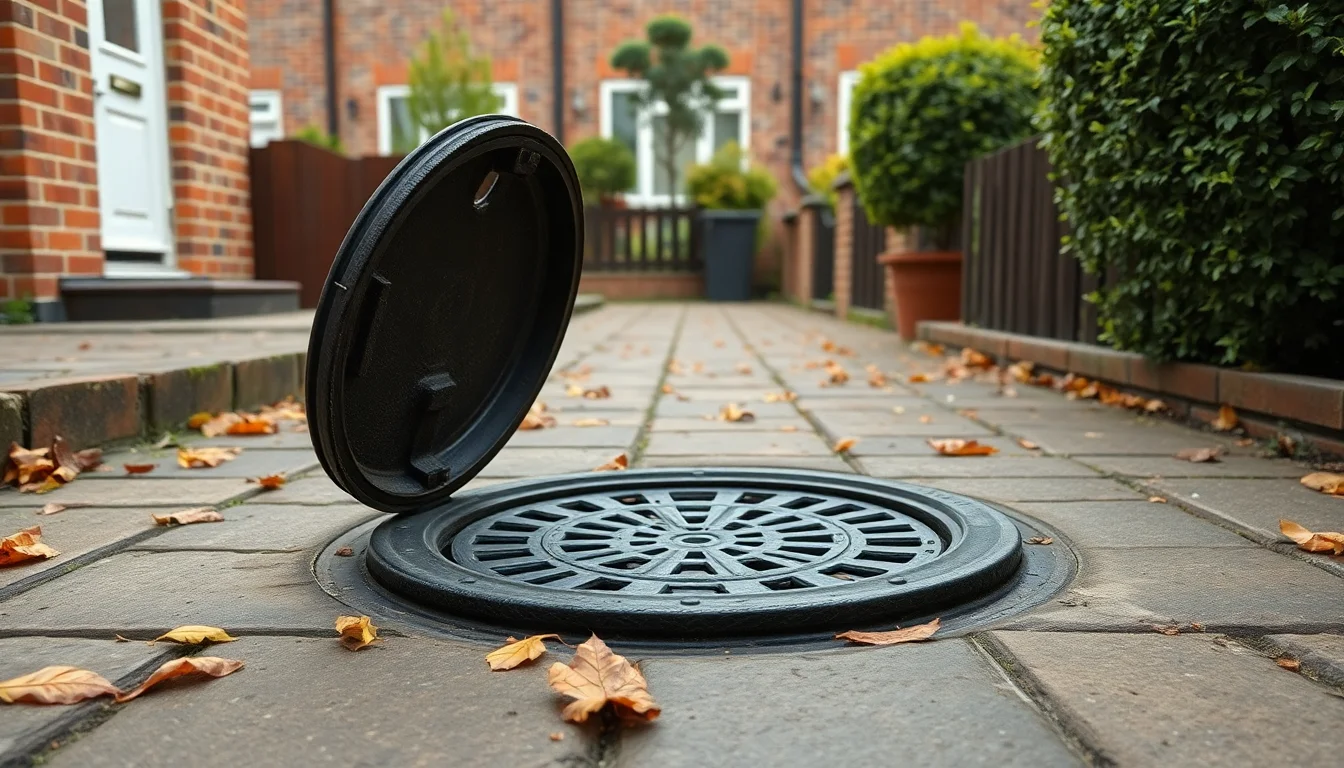
Traditional drain repair means excavation — digging down to the damaged section, cutting it out, and replacing it with new pipe. Relining skips that entirely. A flexible liner impregnated with resin is fed into the existing pipe through the normal access points, inflated so it sits flush against the pipe wall, and then cured in place, either with heat, UV light or ambient curing depending on the system used. The result is effectively a new pipe formed inside the old one, with no joints along its length and a smooth internal surface that also improves flow. Because it works through existing access, there's no trench, no reinstatement of paving or lawn, and far less disruption than a dig.
Why no-dig matters in Aldershot and Ash specifically
Two local factors make relining particularly useful here. The first is what sits above the pipe. In the established residential streets around North Town, Manor Park and Redan Hill, drain runs commonly pass beneath block-paved driveways, rear extensions and mature front gardens, and putting all of that back after a trench is often more disruptive and more expensive than the pipe repair itself.
The second is the ground. Aldershot and Ash sit across a transitional band of London Clay and Bagshot Sand, so pipes are bedded in ground that shrinks, swells and settles with the seasons, working joints loose over time. Properties near the Basingstoke Canal, Tice's Meadow and the lower-lying parts of Ash Vale also sit with a higher water table, which pushes groundwater in through those failing joints — a problem that can mimic a blockage without any actual obstruction being present. Because a cured liner seals the full length of the treated section rather than patching one point, it deals with the loosened joints and the infiltration in a single operation.
The pitch-fibre pipe problem
If your Aldershot or Ash property was built between roughly the 1950s and early 1970s, there's a reasonable chance some of its drainage uses pitch-fibre pipe rather than clay. It was used widely across UK housebuilding in that period — lightweight, cheap and quick to install, and initially seen as an upgrade on jointed clay. Locally, that puts it in the layer of housing that sits between Aldershot's Victorian garrison streets and its modern estates such as Wellesley, and in the inter-war and post-war housing along Ash's main roads.
The problem only shows up decades later. Pitch-fibre pipe is made from wood fibre bonded with coal-tar pitch, and over time that structure can delaminate: the layers separate, the pipe blisters inward, and in more advanced cases it deforms or collapses under the surrounding soil load, choking the bore from the inside. Unlike a cracked clay joint, which tends to show up as a specific point defect, pitch-fibre deterioration is often more general along the run, which affects how a repair is approached.
- **Blistering** narrows the pipe gradually, often mistaken for a simple debris blockage until a survey shows the real cause.
- **Delamination** weakens the pipe wall structurally, even before visible deformation.
- **Full collapse** is the end stage, and at that point relining generally isn't viable — the pipe needs excavating and replacing.
This is exactly why a CCTV drain survey matters before committing to a repair method. It shows whether the pipe is a good candidate for a liner or whether the deterioration has gone too far.
Relining versus excavation: when each makes sense
Relining is the right call for most localised or moderate structural issues:
- Cracked or fractured clay pipe with the wall otherwise intact
- Root-damaged joints where the pipe shape itself is still sound
- Pitch-fibre pipe with early-stage blistering, caught before deformation sets in
- Runs under paving, driveways or extensions where digging would be seriously disruptive
Excavation remains the better option when:
- The pipe has already collapsed or deformed significantly, leaving no stable shape for a liner to bond to
- The pipe diameter or gradient needs changing, not just the surface repairing
- Multiple sections along a run are so degraded that lining piecemeal isn't cost-effective compared to replacing the run
Our drain excavation service covers the cases relining can't reach, so between the two methods, most drainage problems in older housing stock have a genuine repair route.
The relining process, step by step
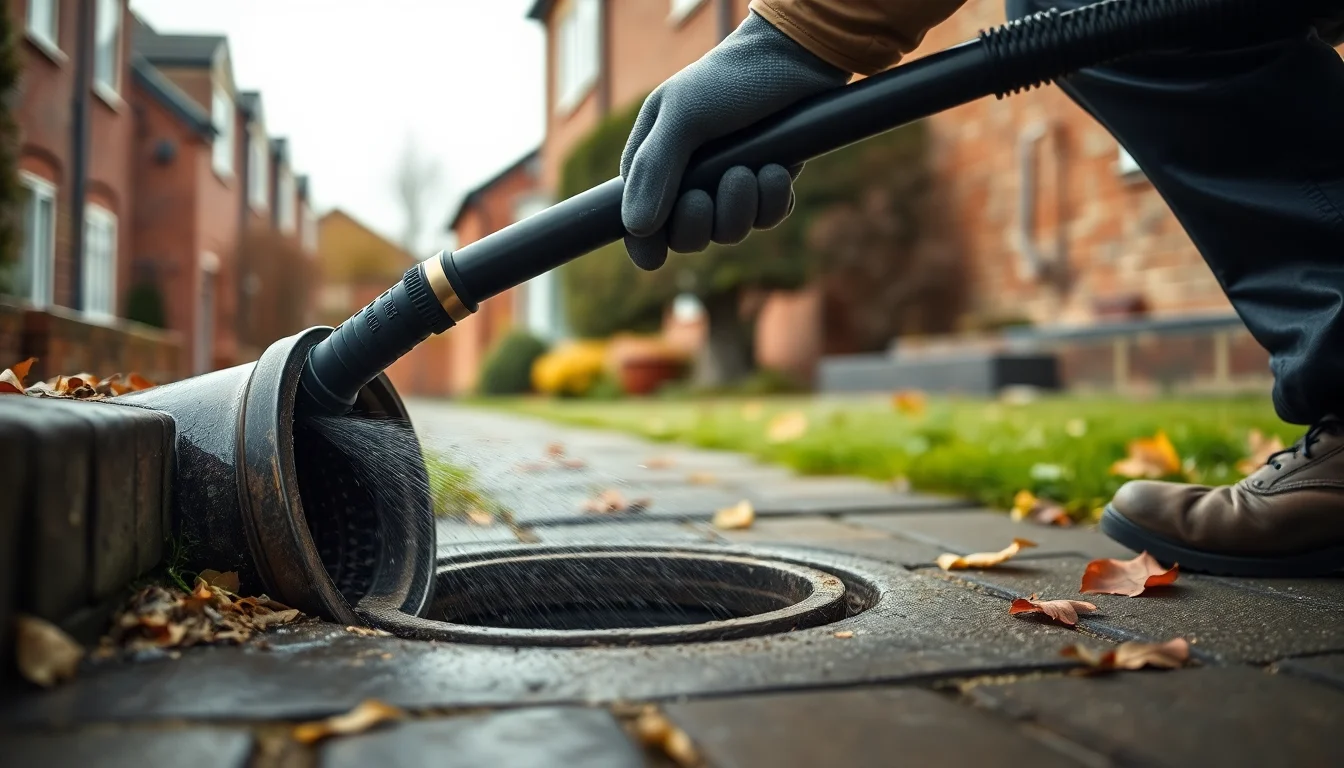
- **Survey and clean.** A CCTV survey confirms the pipe is a suitable candidate, and the run is jetted clean so the liner can bond properly to the pipe wall.
- **Liner insertion.** The resin-saturated liner is fed into the pipe through the existing access point and positioned along the damaged section.
- **Inflation and curing.** The liner is inflated to sit flush against the pipe wall, then cured — this can take anywhere from under an hour to several hours depending on the curing method and length of run.
- **Verification.** A follow-up camera pass confirms the liner has cured correctly and the pipe is clear and structurally sound along its full length.
Because the whole process runs through existing manholes or access points, a typical domestic relining job leaves no trace above ground once it's finished.
What affects the cost
As with any structural repair, we don't quote a flat figure because the variables genuinely change the job:
- **Length of pipe being relined** and how many bends are involved
- **Access** — whether the liner can be fed in easily or the run needs preparatory work first
- **Pipe condition**, since heavier damage sometimes needs a patch repair alongside the full liner
- **Diameter of the pipe**, as different diameters use different liner systems
Tell us what the survey found and we'll confirm a fixed price before any work begins.
Getting a damaged drain assessed
If you suspect pitch-fibre pipe, or you've had a recurring blockage that turned out to be more than debris, the sensible starting point is always a survey rather than guessing at the repair method. We handle relining and excavation across Aldershot and Ash, from the terraces near the old garrison to the newer housing along the A331 corridor, and every job starts with a proper look inside the pipe first — see our full pipe relining service for what's included.
FAQ
**How much does pipe relining cost?** It depends on the length of run, access and pipe condition, so we quote against a survey rather than a flat rate. Request a fixed-price quote online once we know the details of your repair.
**Does relining actually last?** Yes — a properly cured liner creates a jointless, structurally sound pipe, removing the weak points that caused the original damage, including the joints roots typically exploit.
**What is pitch-fibre pipe?** A drainage material used widely in UK housebuilding from roughly the 1950s to early 1970s, made from wood fibre bonded with coal-tar pitch. It's prone to blistering and delamination decades after installation.
**Can every damaged pipe be relined?** No — pipe that's already collapsed or badly deformed needs excavating and replacing, since a liner needs a reasonably intact shape to bond to. A CCTV survey tells you which category your pipe falls into.